
Posted by Horus Vision on Jul 23rd 2026
When the mission demands speed, precision, and adaptability, equipment choices matter.
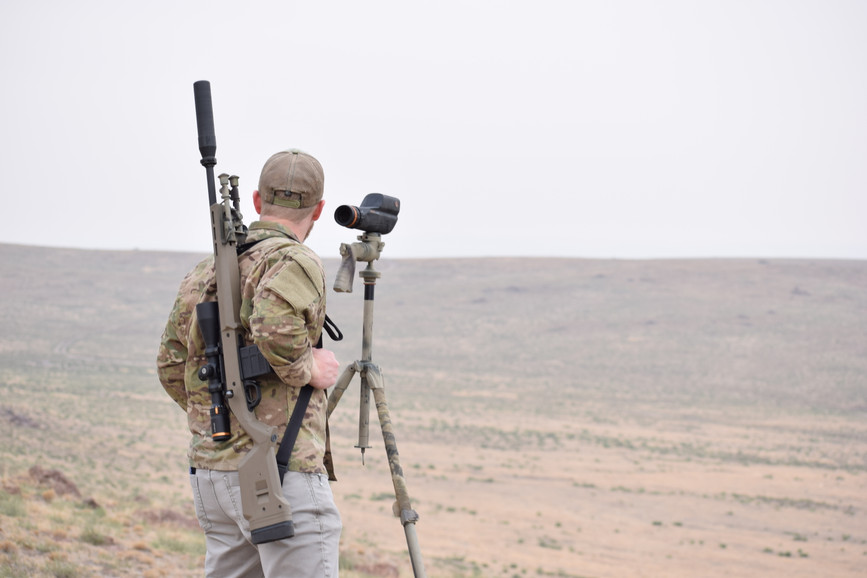
For military snipers, special operations personnel, law enforcement marksmen, and competitive shooters alike, the ability to quickly gather information and apply accurate firing solutions can mean the difference between success and failure.
That reality is one reason the TREMOR3™ reticle has earned adoption among USSOCOM, USMC sniper elements, U.S. Navy SEAL teams, and top-level Precision Rifle Series competitors.
Developed from real-world operational experience, the TREMOR3™ was designed to help shooters make faster decisions, engage targets more efficiently, and maintain effectiveness in constantly changing conditions.
Let's take a closer look at some of the key features that make the TREMOR3™ one of the most robust tactical reticles available today.
The Horus Grid: Rapid Corrections Without Dialing
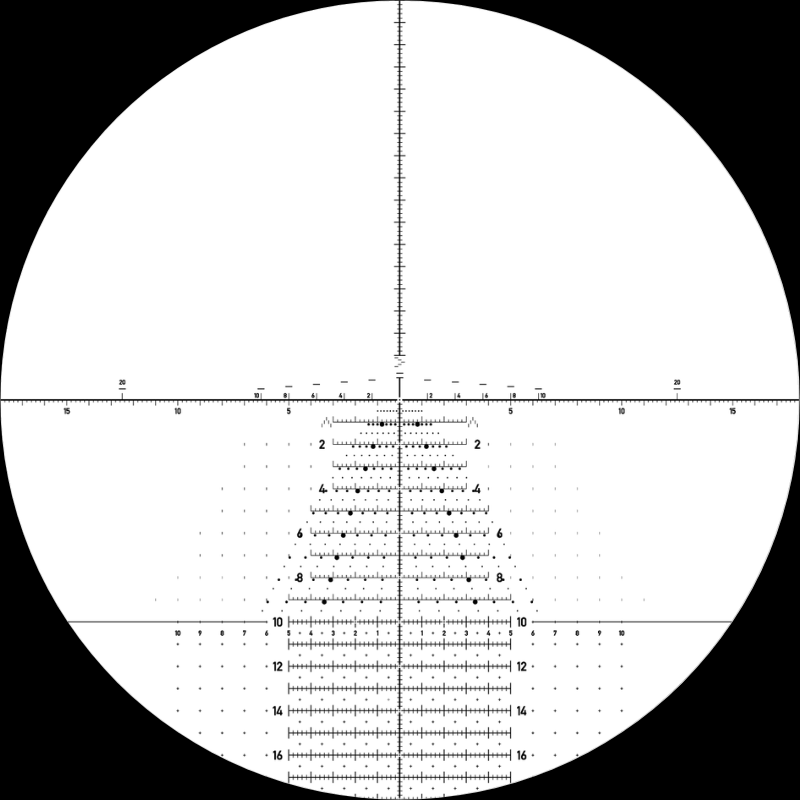
At the foundation of the TREMOR3™ is the Horus Grid, a comprehensive holdover system that allows shooters to compensate for elevation and wind directly through the reticle.
Traditional shooting methods often require dialing corrections after obtaining a firing solution. While effective, dialing consumes valuable time and can complicate rapid engagements involving multiple targets at varying distances.
The Horus Grid allows shooters to hold for bullet drop and wind correction immediately within the reticle. Misses can also be observed and corrected visually without taking the eye away from the optic.
Tactical Example
A sniper team observes multiple threats appearing at distances ranging from 450 to 800 yards. Rather than dialing for each target individually, the shooter uses the grid to hold the required elevation and wind correction for each engagement. Follow-up shots can be adjusted instantly based on observed impacts, allowing rapid target transitions while maintaining situational awareness.
Time-of-Flight Wind Dots: Faster Wind Holds Under Pressure
Wind estimation is often one of the most challenging aspects of long-range shooting. Even experienced shooters can struggle when wind conditions vary across the bullet's flight path.
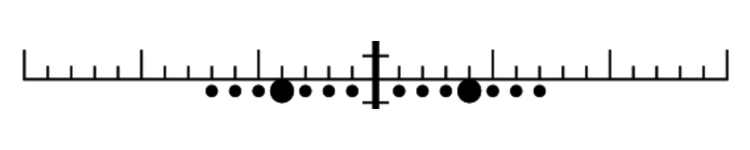
The TREMOR3™ incorporates patented Time-of-Flight Wind Dots that provide visual reference points for wind holds in wind speed values like mph, kph, and m/s within the reticle.
Instead of estimating fractional mil holds, shooters can quickly reference the appropriate wind dot and apply corrections with greater consistency.
The result is faster engagements and reduced mental workload when wind conditions become increasingly unpredictable.
Tactical Example
A designated marksman operating in mountainous terrain encounters shifting crosswinds caused by terrain features and changing weather. By utilizing the Wind Dot system, the shooter can rapidly adjust holds as conditions evolve rather than performing time-consuming calculations between shots.
This levels the playing field and allows for quicker, more confident engagements of targets that typically benefit from inclement weather conditions.
Refined Mil Markers for Precise Target Measurement
Accurate target measurement remains a critical skill for tactical shooters. Even with modern laser rangefinders, there are situations where electronic systems may fail, batteries may die, or rangefinder and laser use may not be possible.
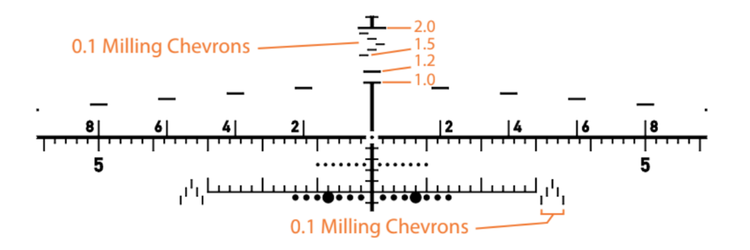
The TREMOR3™ includes refined mil-based subtensions that allow shooters to measure target dimensions and calculate distance using known target sizes.
The refined “chevron” mil markers in the TREMOR3™ reticle subtend to 0.1 milliradians.
This capability provides a valuable method for range determination without taking your eye off of the scope, while also enabling shooters to estimate the size and position of objects in the environment.
Tactical Example
During an observation mission, a sniper team identifies a potential threat partially obscured behind cover. The shooter uses the reticle's mil markers to measure the visible portion of the target and estimate range when laser use could compromise the team's position. The resulting estimate provides an accurate firing solution without relying on electronic equipment.
Rapid Range Bars: Quick Estimation of Known-Size Targets
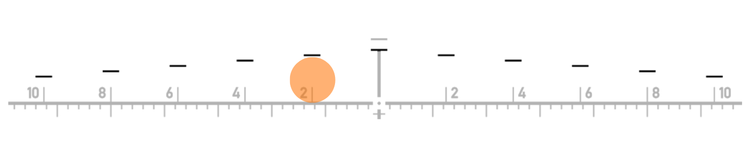
One of the most recognizable features of the TREMOR3™ is the Rapid Range Bar system.
Rapid Range Bars allow shooters to estimate distance to targets of known dimensions without performing complex calculations.
By placing the bottom of the target on the main horizontal stadia line and then moving the target across the horizontal line until the top of the target touches one of the Rapid Range Bars, users can quickly generate a range estimate and move directly into the engagement process.
In situations where time is limited, reducing the number of steps between target detection and engagement can be a significant advantage.
Tactical Example
A law enforcement marksman observes an armed suspect at an unknown distance during a rapidly developing incident. Using the Rapid Range Bars and a known target dimension, the shooter obtains a quick range estimate and confirms an appropriate hold. The ability to gather range information through the optic helps reduce response time during a critical event when time is of the essence.
Moving Target Holds: Built for Dynamic Engagements
Stationary targets are rare in real-world tactical environments. Whether engaging vehicles, or other moving threats, shooters must account for target movement while maintaining proper elevation and wind correction.
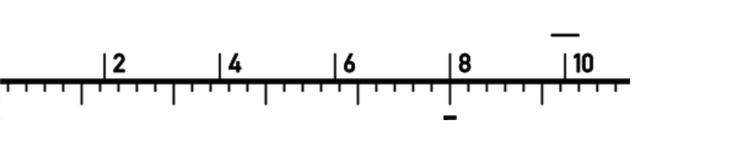
The TREMOR3™ incorporates moving target hold references that provide leads for targets moving at speeds up to approximately 10 mph.
Rather than calculating lead values under stress, shooters can apply the appropriate hold directly through the reticle.
Tactical Example
A target begins moving laterally across an open area after spotting friendly forces. The shooter quickly references the moving target hold marks while maintaining the appropriate elevation and wind correction.
Instead of estimating lead through experience alone, the reticle provides a repeatable visual reference that improves engagement speed and consistency for that moving target.
Faster Follow-Up Shots and Shot Correction
One of the most significant tactical advantages of the Horus system is the ability to observe impacts and immediately correct without adjusting turrets.
Every shot provides information. When a shooter can see exactly where a bullet impacted relative to the intended point of aim, corrections become nearly instantaneous. Simply note where in your reticle the miss was and use that as your new point of reference.
This capability is particularly valuable when engaging at extended distances where environmental conditions may differ from predictions.
Tactical Example
A first-round engagement misses slightly low and left due to an unexpected wind shift. Rather than dialing corrections or recalculating a firing solution, the shooter observes the impact through the grid and immediately measures to apply a corrected hold for the second shot. Valuable seconds are saved, and the target remains engaged.
Why Holding Beats Dialing in Tactical Scenarios
While dialing elevation remains a valuable technique for certain precision shooting applications, many tactical environments demand a faster and more flexible approach. That's where the TREMOR3™'s hold-based design offers a significant advantage.
Every time a shooter adjusts a turret, they introduce an additional step into the engagement process. Under ideal conditions, that may only take a few seconds. In a real-world tactical scenario, however, those seconds can matter. Targets move, conditions change, and opportunities can disappear before a shooter has time to dial, confirm, and re-engage.
By keeping elevation and wind corrections within the reticle, shooters can transition rapidly between targets at different distances without touching their turrets. A target at 500 yards can be engaged using one hold, followed immediately by another at 700 yards using a different hold point on the same grid. There is no need to dial up, dial back down, or verify turret position between engagements.
The advantages become even more apparent during dynamic engagements. If a target moves, wind conditions shift, or a follow-up shot is required, corrections can be made instantly using the reticle. This allows the shooter to stay on the gun, maintain visual contact with the target area, and continue observing impacts without interruption.
A hold-based approach can also help reduce the potential for user-induced errors. Under stress, shooters can inadvertently dial the wrong direction, lose track of their turret position, or forget to return to their original zero after an engagement.
During operations involving multiple targets at varying distances, those mistakes can have serious consequences. By keeping firing solutions within the reticle, the TREMOR3™ minimizes the need for turret manipulation and helps maintain consistency throughout the engagement.
The reason the philosophy of "measure, hold, and engage" has become increasingly popular among military, law enforcement, and competitive shooters is because it prioritizes speed, adaptability, and situational awareness. In environments where every second counts, keeping the solution inside the reticle can provide a real advantage.
Reduced Cognitive Load in High-Stress Environments
Tactical shooting often occurs under conditions that are far less forgiving than a shooting range.
Stress, fatigue, limited visibility, time constraints, environmental uncertainty, and rapidly changing target conditions all place demands on the shooter.
The TREMOR3™ was designed to reduce the amount of mental processing required between target identification and shot execution.
Features such as Wind Dots, Rapid Range Bars, moving target holds, and the Horus Grid work together to place critical information directly within the shooter's field of view at all times.
The less time spent looking away from the optic or performing calculations, the more attention can remain focused on the mission.
A Reticle Built for Real-World Problems
The TREMOR3™ design philosophy stems from solving practical shooting problems encountered by professional end users operating in demanding environments.
Whether estimating range without electronics, compensating for changing winds, engaging moving targets, or rapidly correcting impacts, the reticle provides tools that help shooters work faster and more effectively.
That combination of speed, precision, and versatility explains why the TREMOR3™ continues to earn trust among military professionals, law enforcement marksmen, and elite long-range competitors around the world, including USSOCOM, USMC Scout Snipers, US Navy SEALS and Precision Rifle Champions.
For shooters seeking a reticle capable of supporting modern tactical applications, the TREMOR3™ remains the most proven and comprehensive solutions available today.
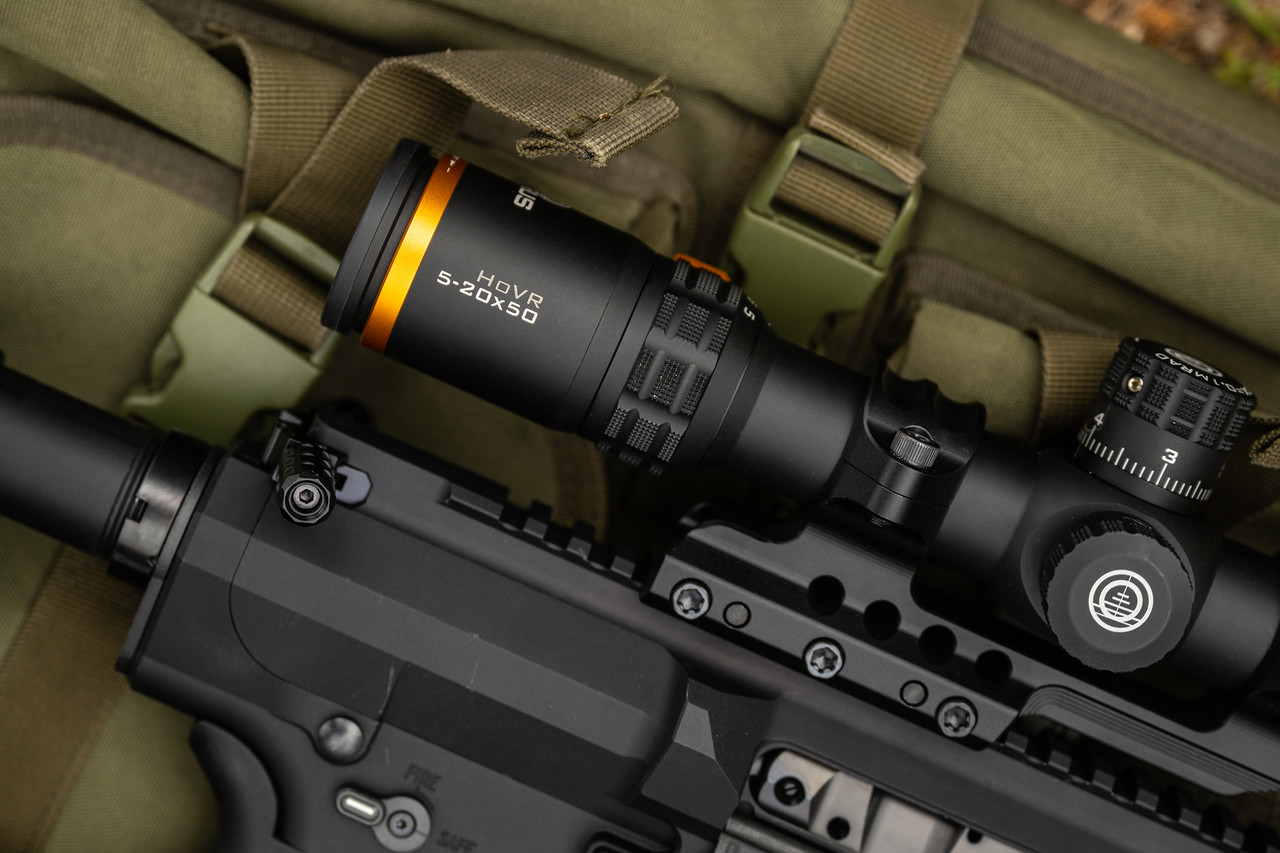
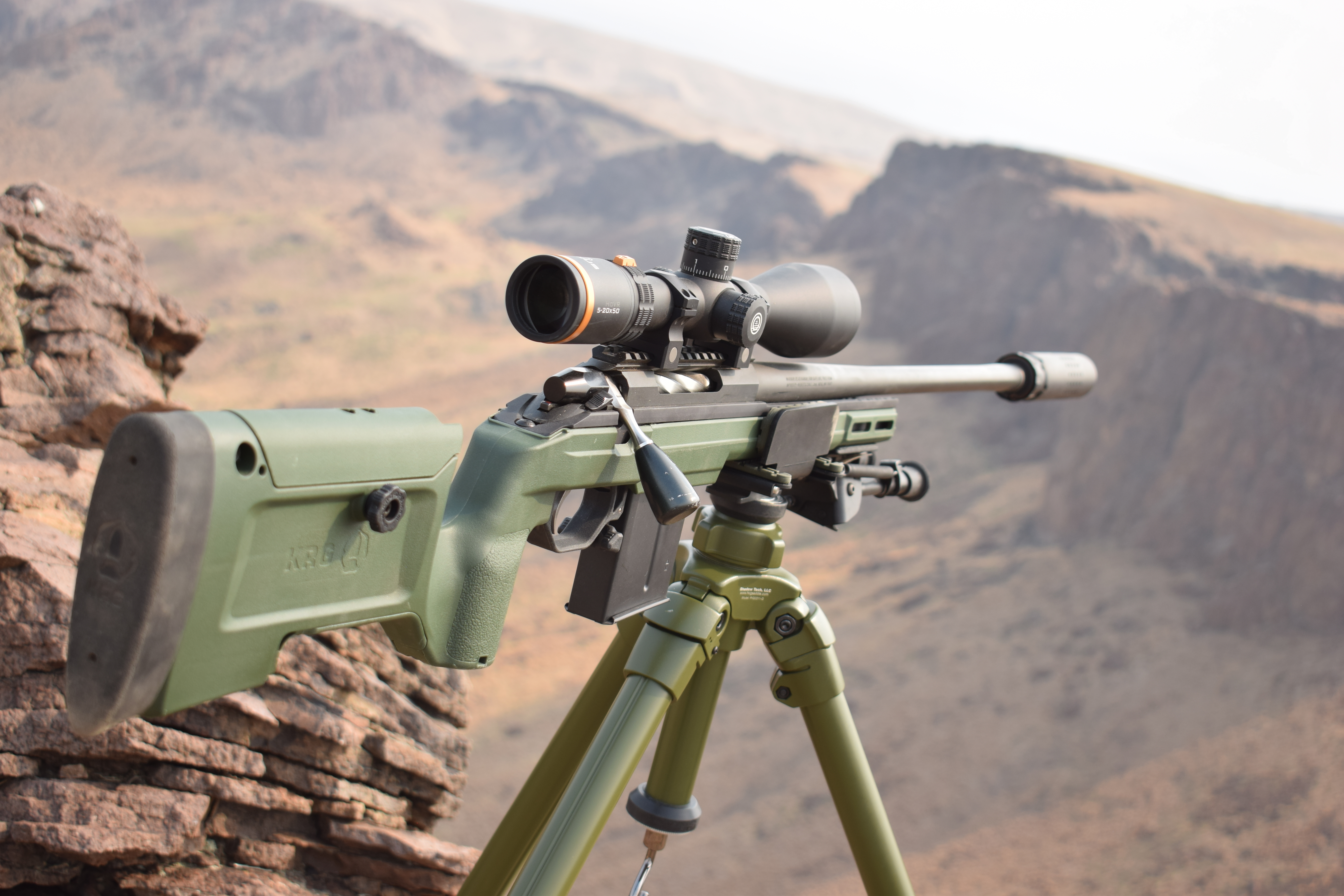
The TREMOR3™ reticle is available in the Horus HoVR® 5-20x50mm Riflescope and through our Horus Reticle Licensees.